
Sanitation Challenges at Maroda School
Maroda Village, located 5 kilometers from Chamorshi town and 40 kilometers from the district center, is home to 1,300 people, predominantly engaged in agriculture. With an 80% literacy rate, education is a priority, yet the local Zilla Parishad Higher Primary School faced significant infrastructure challenges. The school, serving 123 students from 1st to 7th standard, had only two toilets, each with just one urinal, instead of the required three. The overcrowded facilities led to students urinating in the open, causing poor hygiene, waste accumulation, and health issues.
Adolescent girls, in particular, struggled with these inadequate facilities, and often remained irregular to school during menstruation due to the lack of privacy and clean spaces. This resulted in a worrying drop in attendance rates, which averaged only 70%.
Pre-CYDA Intervention
Before CYDA’s involvement, the school’s efforts to address the sanitation issues were unsuccessful due to a lack of resources. Despite repeated requests from the School Management Committee and Gram Panchayat for more funding, no improvements were made. Principal Mr. Shankar Satpute tried to raise awareness about the issue but faced persistent financial roadblocks. With overcrowded toilets and no viable solution in sight, the school’s hygiene conditions worsened, affecting students’ health and school attendance.
CYDA’s Intervention: A Turning Point
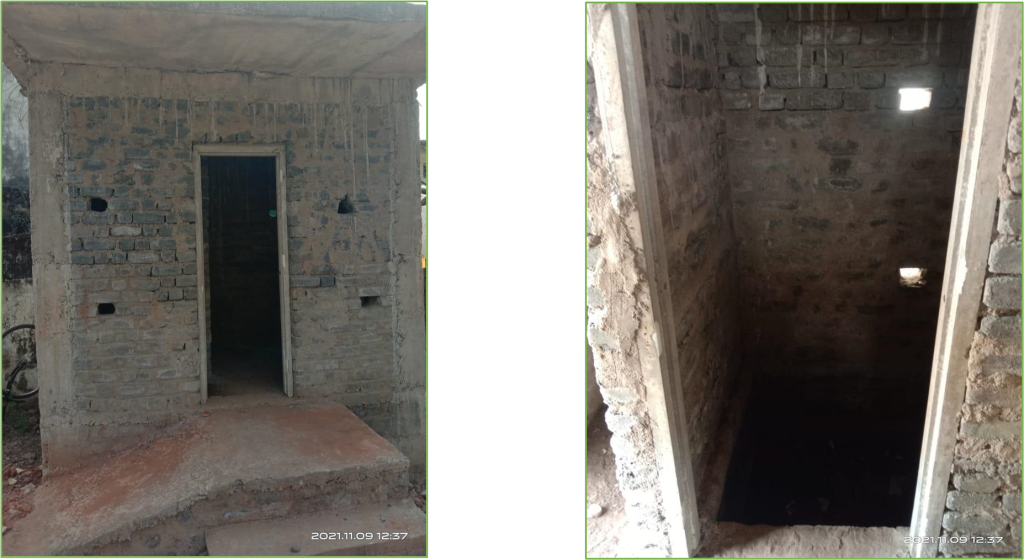
In 2020, CYDA stepped into support the school. After a series of meetings with Principal Satpute, CYDA guided him in presenting the issue to the SMC and Gram Panchayat. However, the issue remained unresolved due to the lack of funds. Undeterred, Principal Satpute, with CYDA’s support, approached the Education Department of the Panchayat Samiti, Chamorshi. His persistence finally paid off in March 2020 when the school received approval for a new toilet unit under the Samagra Shiksha Abhiyaan scheme, with Rs. 2 lakh allocated for construction.
Construction began in May 2020 with an initial Rs. 1 lakh. By the end of the year, 80% of the work was completed, and the remaining funds are awaited to finish the project., CYDA also helped improve other facilities at the school, including an RO filter for safe drinking water, a handwash station with five taps, and monthly visits by an ASHA worker who conducted sessions on menstrual health for adolescent girls. Additionally, a separate garbage bin for menstrual hygiene products was installed.
Impact of CYDA’s intervention – Improved sanitation and attendance
The construction of the new toilet alleviated overcrowding and provided students, particularly girls, with better access to clean and safe facilities. The improved hygiene conditions contributed to higher attendance rates, as girls no longer had to miss school during menstruation.
A model for rural schools
The successful construction of the new toilet along with the added infrastructure improvements, created a healthier and more supportive learning environment. The efforts of CYDA addressed sanitation issues and also made the school more accessible and comfortable for all students, particularly girls.
Mr.Satpute emphasized, “The new toilet has made a world of difference to our students. It’s not just about sanitation; it’s about ensuring that our children, especially girls, have the dignity and comfort they deserve to succeed in school.”
The Maroda School project serves as an example for other rural schools, demonstrating that targeted interventions can significantly improve the quality of education and overall school environment.
The article is contributed by Kalyani Mudaliar, Documentation Officer, CYDA
