
In the remote village of Sathala, located in Udgir block, Latur district, the Zilla Parishad Upper Primary School once struggled with poor infrastructure and hygiene. Serving a community of 2,000 people, primarily dependent on agriculture, the school faced numerous challenges that hindered both student health and academic progress. The school, with 160 enrolled students (95 girls and 65 boys), had insufficient facilities, including non-functional toilets, unsafe drinking water sources, and absence of a compound wall. The absence of basic WASH (Water, Sanitation, and Hygiene) amenities made children vulnerable to health issues, further impacting their education.
However, a transformative initiative spearheaded by the Centre for Youth Development and Activities (CYDA) and the community marked a turning point, highlighting the critical role of WASH facilities in creating conducive learning environments.
Challenges faced
When Mr. Pattewar Sachidanand Gopalrao took charge as principal in 2018, he found a school struggling to meet even basic needs. While the school had separate toilets for boys and girls, these were in disrepair, forcing students to rely on unhygienic alternatives. Drinking water had to be fetched from an external tank, and the absence of a school compound wall allowed animals to roam freely, disrupting classes. Moreover, limited infrastructure and unreliable electricity restricted e-learning opportunities, and poor awareness among villagers regarding education compounded the issue.
These challenges highlighted the urgent need for improved WASH facilities, which are essential for health, dignity, and education, particularly in rural schools.
Intervention
CYDA, in collaboration with the school management committee, gram panchayat, and Zilla Parishad, initiated a comprehensive development plan to address these issues. With funds amounting to Rs.17 lakhs secured from the 14th Finance Commission and contributions from villagers and other stakeholders, the following changes were implemented:
- Sanitation Facilities: Two new toilets and urinals were constructed with proper water connections, ensuring privacy and hygiene for students.
- Clean Drinking Water: A new pipeline system was installed, providing safe drinking water within the school premises and eliminating the need to fetch water from external sources.
- Handwashing Stations: Dedicated handwashing stations were built to promote hygiene practices among students and staff.
- Infrastructure Improvements: The school compound was secured with a steel grill, classrooms were revamped with child-friendly paintings and reliable electricity was established, enabling e-learning and creating a welcoming environment.
- Environmental Initiatives: Students were engaged in kitchen gardening and waste management practices, fostering awareness about sustainability and cleanliness.
- Health Education: Female teachers provided regular guidance to older girls on menstrual hygiene, addressing a critical aspect of adolescent health.
Impacts of WASH Facilities
The introduction of WASH facilities resulted in a significant transformation, improving not only the school’s physical environment but also its educational outcomes.
- Health and Hygiene: The availability of clean water and proper sanitation facilities reduced illness among students, enhancing their ability to attend school regularly and concentrate on their studies.
- Increased Attendance: A clean, safe and engaging environment encouraged regular attendance, particularly among girls, who often faced barriers to education due to inadequate hygiene facilities.
- Empowered Students: Hygiene education and sustainable practices empowered students to take responsibility for their environment and health, fostering a sense of ownership and pride in their school.
- Community Engagement: CYDA’s efforts brought the community together, with villagers, school staff and local governance working collaboratively to achieve a common goal.

Relevance for Rural Schools
The case of Sathala underscores the critical importance of WASH facilities in rural schools. These facilities are not mere amenities but foundational elements that directly influence health, education, and well-being. For children in rural areas, where challenges such as poverty and lack of awareness often act as barriers, access to proper WASH facilities can be transformative.
This engagement in Sathala demonstrates how collaborative efforts between NGOs, local governance, and communities can address systemic issues, creating schools that are not only places of learning but also safe havens for children.
A Model for Change
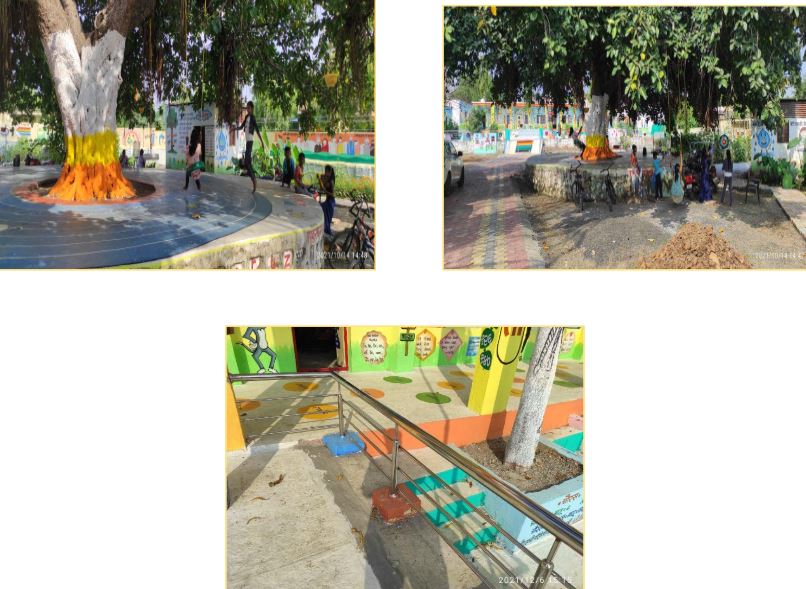
Today, the Zilla Parishad Upper Primary School in Sathala stands as a model for rural development. The efforts have turned a struggling institution into a thriving educational space. This success story highlights the transformative power of WASH facilities in breaking the cycle of poor health and education in rural areas, offering a blueprint for sustainable change across similar communities. (This article is contributed by Kalyani Mudaliar, Documentation officer at CYDA)
